
Athletes
Take control
Take some time for yourself and face the challenges that sport brings. Coping with pressure, making decisions quickly, managing emotions and planning your focus are just some of the qualities that successful athletes achieve through training.

As a former competitor, coach and sports psychologist, I am familiar with all that goes through the mind of an athlete during a competition and the pressure borne by the uncertainty of a large number of factors that are not under direct control both inside and outside the competition
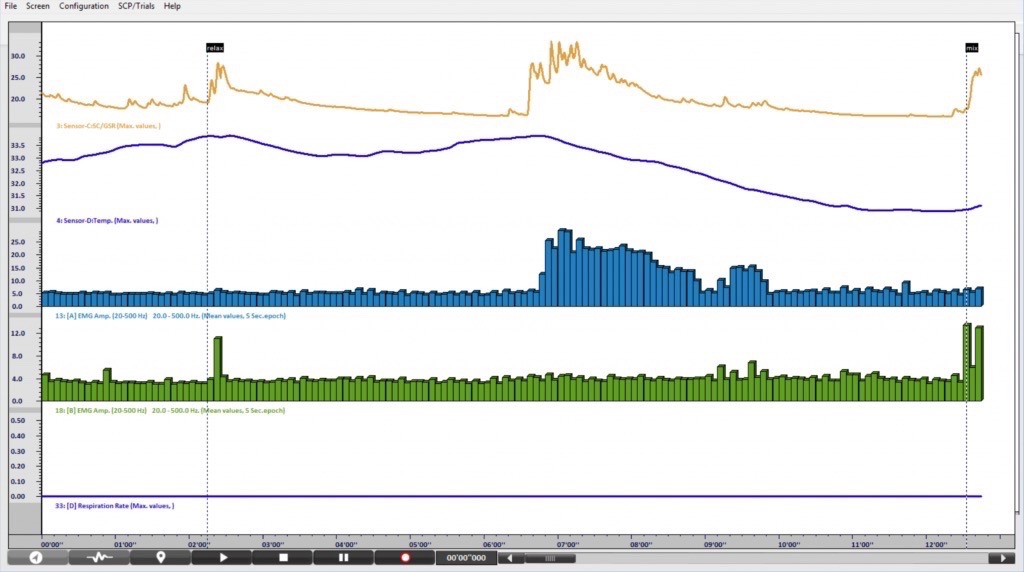
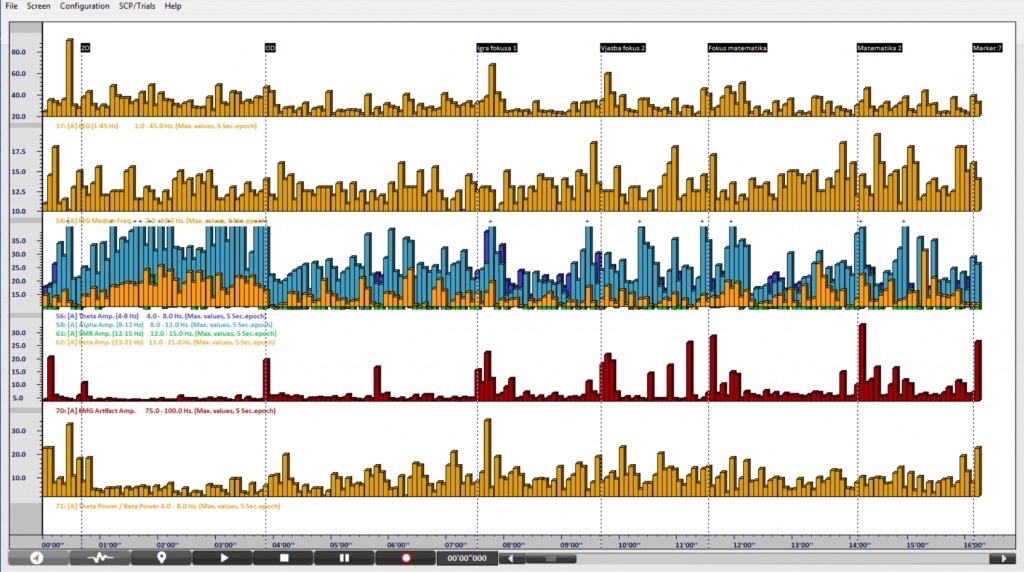
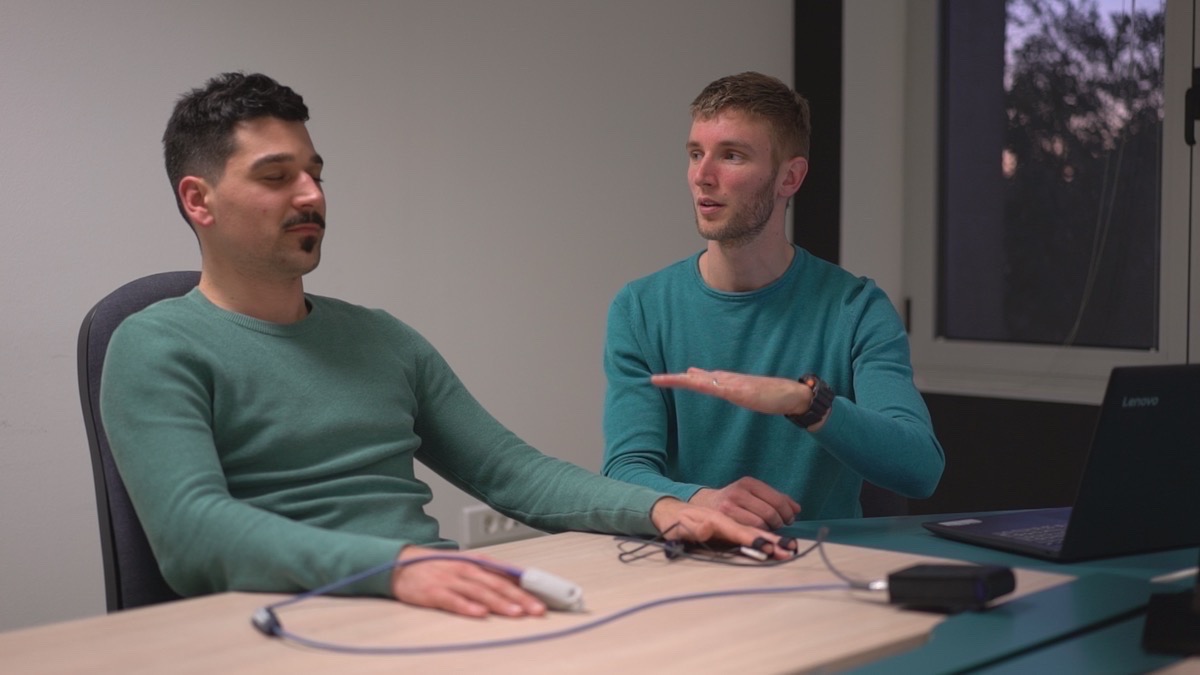
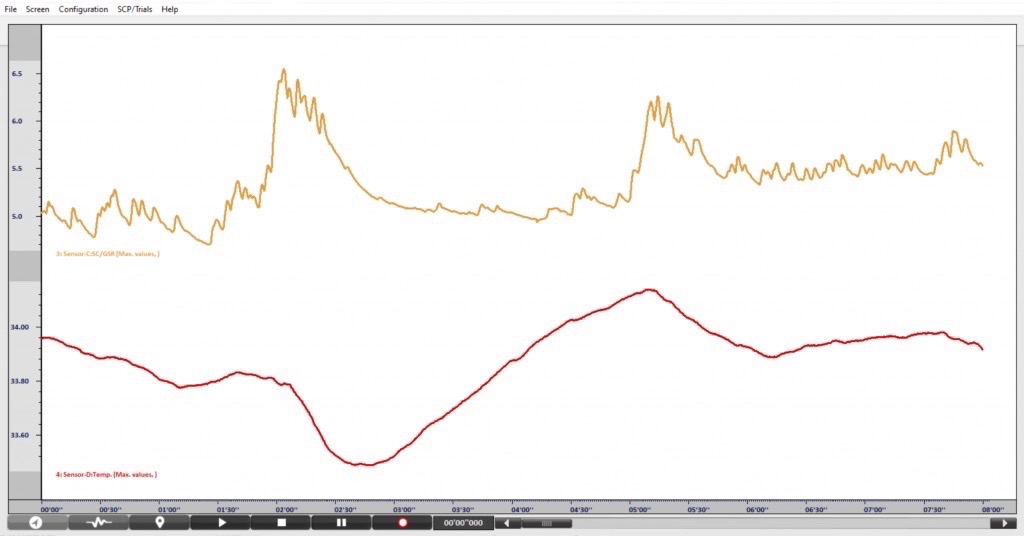
Biofeedback and neurofeedback training
Taking into consideration that sport today demands excellence and does not “forgive” mistakes, working with athletes includes peak performance biofeedback and neuro-feedback training which makes it possible for an athlete to:
- manage and reduce pre-competition anxiety
- train focus quality and concentration under pressure at training and competition
- raise awareness, train and maintain one’s optimal functional zone
- train the technique of refocusing following a decline in performance
- manage emotions that bring to a decline in performance
- manage the pressure caused by one’s expectations and the expectations of others
Upon testing on the biofeedback device and with the help of other tools, an athlete acquires an insight into his own qualities and strengths as well as space for progress through which, assisted by a collaborative relationship, long-term and short-term goals are jointly set and progress is monitored.

Mental training
Mental training includes work with all factors directly connected to the quality of performance. We teach and train athletes in different types of concentration, how and in which situation to use certain attention, how to maintain focus quality and effectively direct attention.
Emotions
When it comes to emotions, we teach athletes how to influence thoughts and manage their emotions by changing their way of thinking.
We train them on how to enter their own optimal functioning zone and keep it throughout the game, recognize and plan the factors that have a negative influence on getting out of the so-called “zone”.
Motivations
Research has shown that a motivated athlete is the one who has set his own goals correctly, has a clearly defined mission, properly set short-term and long-term goals and a clear strategy that will lead him to realizing his goals. A professional athlete knows his values and sets an optimal ratio of intrinsic and extrinsic motivation that serves as fuel on his way of realizing his own visions.
Through mental training, we teach athletes a whole range of psychological techniques and tools that an athlete uses in training and applying them on himself, introducing them to his own training with the aim of automatizing them at competitions. Mental training consists of clearly set priorities, tiny disciplines and small daily steps that make the difference between a top athlete and an athlete.
Mental training is much more than the sum of techniques and exercises. It is, above all, an investment in a cooperative relationship, one of trust, growth, joint learning, encouragement, enthusiasm and passion in moving boundaries.
I personally think that you can learn a lot from me, and I from you as well. Let us join our strengths, knowledge and enthusiasm and, if you want, let us become a team!
ARRANGE A FREE INFO MEETING + 2 TRIAL TRAININGS
Take advantage of a free info meeting of 45 min and ask whatever interests you. We offer 2 trials live or online trainings where an athlete can try and experience our program.